
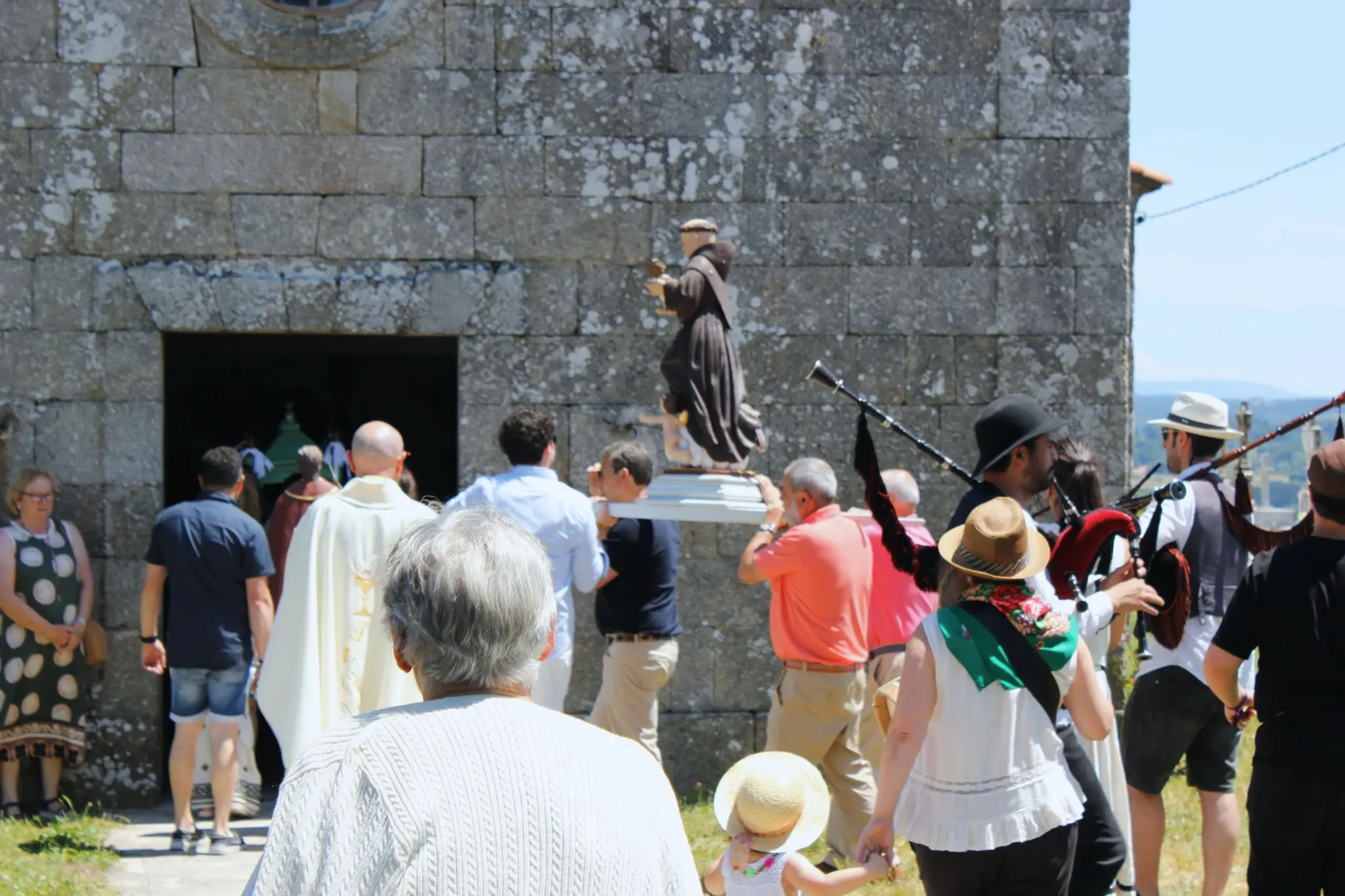
I’ve always considered Saint Anthony my saint, having been born in Padua. And mind you, I don’t consider myself a believer. As Kierkegaard might say, I was never granted the gift of faith — perhaps because I’ve never truly needed it.
When I lived in Madrid, I was based near San Antonio de la Florida, where the saint has long been venerated. Every year I attended the festivities that brought the entire neighborhood to life. This year, when I read about the solemn mass and alborada organized in San Fiz de Asma, Chantada, I felt I had to be there.
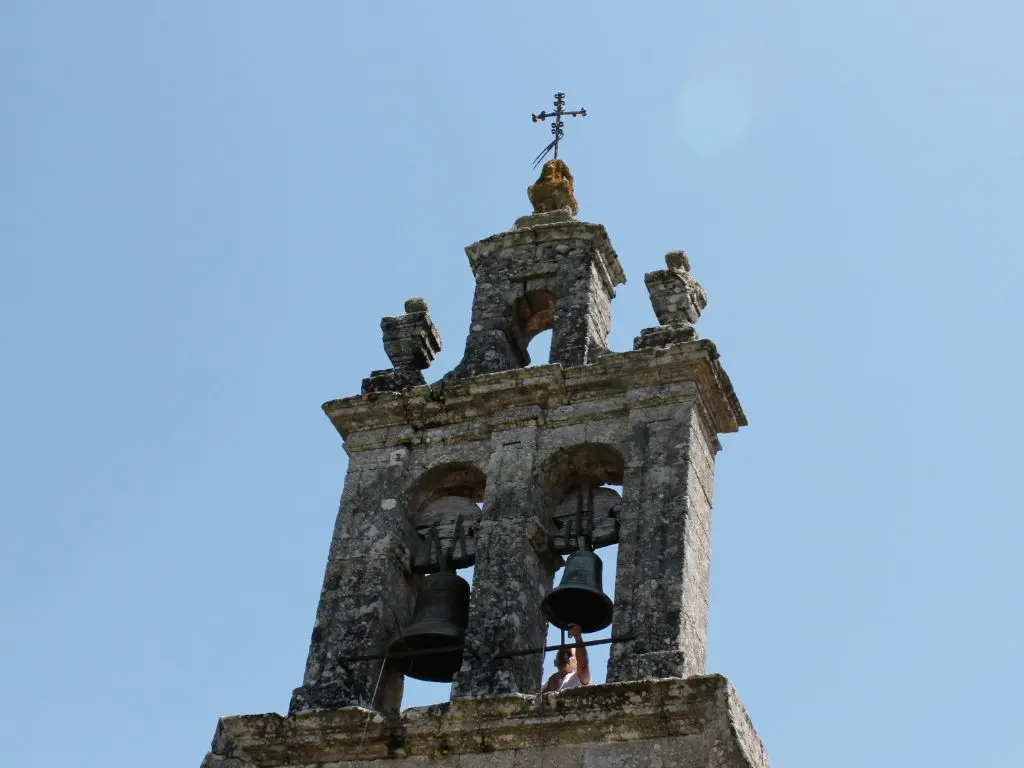
The sense of community I encountered is something I suspect I will carry with me for the rest of my life. Everyone had a role to play, and each fulfilled it with remarkable dedication: the women in their Sunday best carrying the processional statues on their shoulders; the Celtic musicians, perfectly synchronized with the priest during and after the Mass; even the impromptu bell-ringer summoned at the last minute to bring the first part of the celebration to a close.
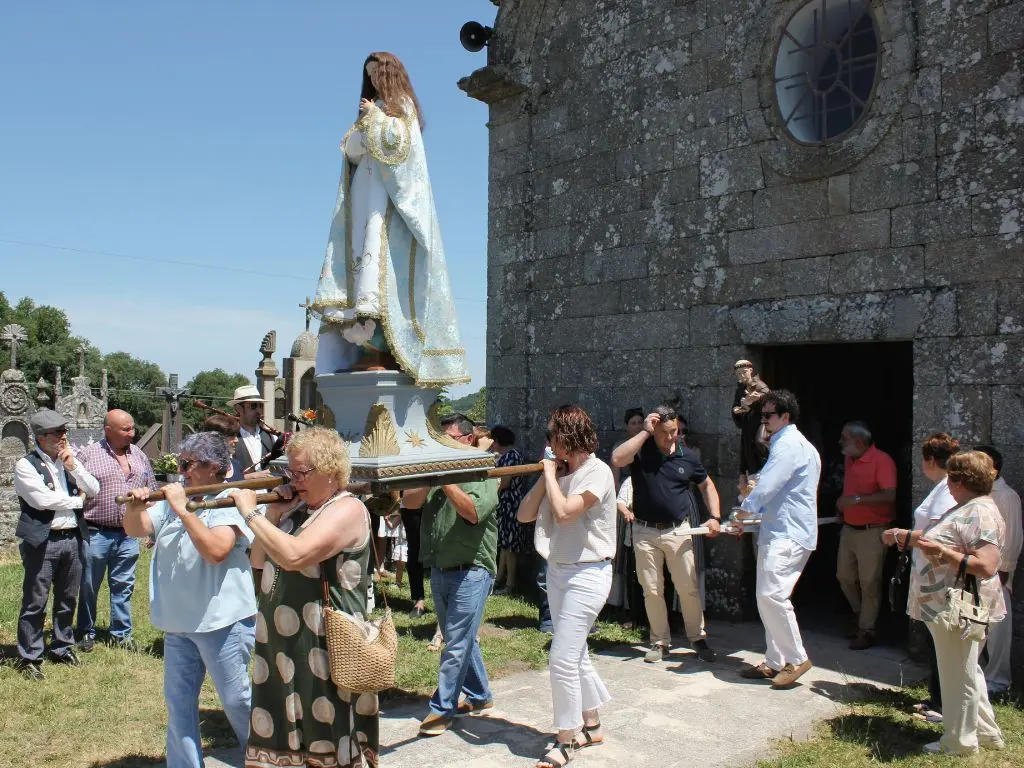
During the service, the priest remarked that this spirit of unity is the village’s only hope of survival. His words stayed with me. They also highlighted a contrast with places where communal bonds have weakened and where individual interests increasingly dominate public life.
What many atheists fail to understand is that human beings need stories in order to remain united. Whether those stories are literally true is often beside the point. What matters is that they are memorable, compelling, and capable of being shared across generations. Of course, there are stories and stories. The story of Saint Anthony in San Fiz is a beautiful one — one that, as the priest suggested, allows people to face the future with confidence that the present, and what gives it meaning, will not simply disappear.
You bury the most interesting move in the last paragraph and then walk right past it. “Whether those stories are literally true is often beside the point” — fine, that’s the functionalist line on religion, Harari’s whole bit about shared fictions. But you’re not actually a functionalist here, and the piece is more honest than your thesis. You didn’t drive to Chantada for a story. You went because it was that one — Padua, San Antonio de la Florida, a saint you’ve trailed across two countries while professing not to believe in him. The thread isn’t “communities need myths.” It’s that you, specifically, keep showing up for this particular one. That’s not anthropology. That’s closer to fidelity than you want to admit.
Which is where the Kierkegaard gesture gets slippery. “Never granted the gift of faith — perhaps because I’ve never truly needed it” is a tidy line, but Kierkegaard would have eaten you alive for it. For him need has nothing to do with it; faith is the leap precisely because it’s absurd and unwarranted by need. Invoking him to license your comfortable non-belief is using the man as decoration. Either drop him or let him actually threaten your position.
The “many atheists fail to understand” turn is the weakest stretch — it’s a strawman wearing a beret. The serious atheists (Durkheim, the ones worth arguing with) understood the social function of ritual better than most clergy. You don’t need to flatter the believers by inventing dim opponents.
What works, and works quietly, is the bell-ringer. The improvised, last-minute, faintly comic detail does more for “this community is alive” than the whole paragraph about stories. Trust the bell-ringer. He’s the argument.
The unresolved thing — and I’d lean into it — is that you went looking for community and came back with something more personal: a saint who has, apparently, been waiting for you the whole time. You’re more implicated than your atheism lets you say.
Leave a Reply