
I’ve never quite understood why people say life is short. After more than fifty years, it feels anything but. In fact, I’ve already lived several lives – six at least – each inhabited by a version of myself that now feels like a different person altogether.
Childhood in Veneto: books, culture, and the freedom to nurture friendships and express myself through painting.
Adolescence in Piedmont: intense and unruly, a time of discovering opposing forces within me – first repressed, then unleashed almost to the point of anarchy.
University in Milan: a life of ideas, theory, and intellectual passion, where the mind took center stage and little space was left for anything else.
Then the internet – an inflection point. A rapid, almost improbable career that began in Rome and led me back to Milan in an international setting. Total immersion, deeply rewarding.
Independence took me to Madrid: years shaped by experimentation, movement, diversion, and a constant appetite for experience.
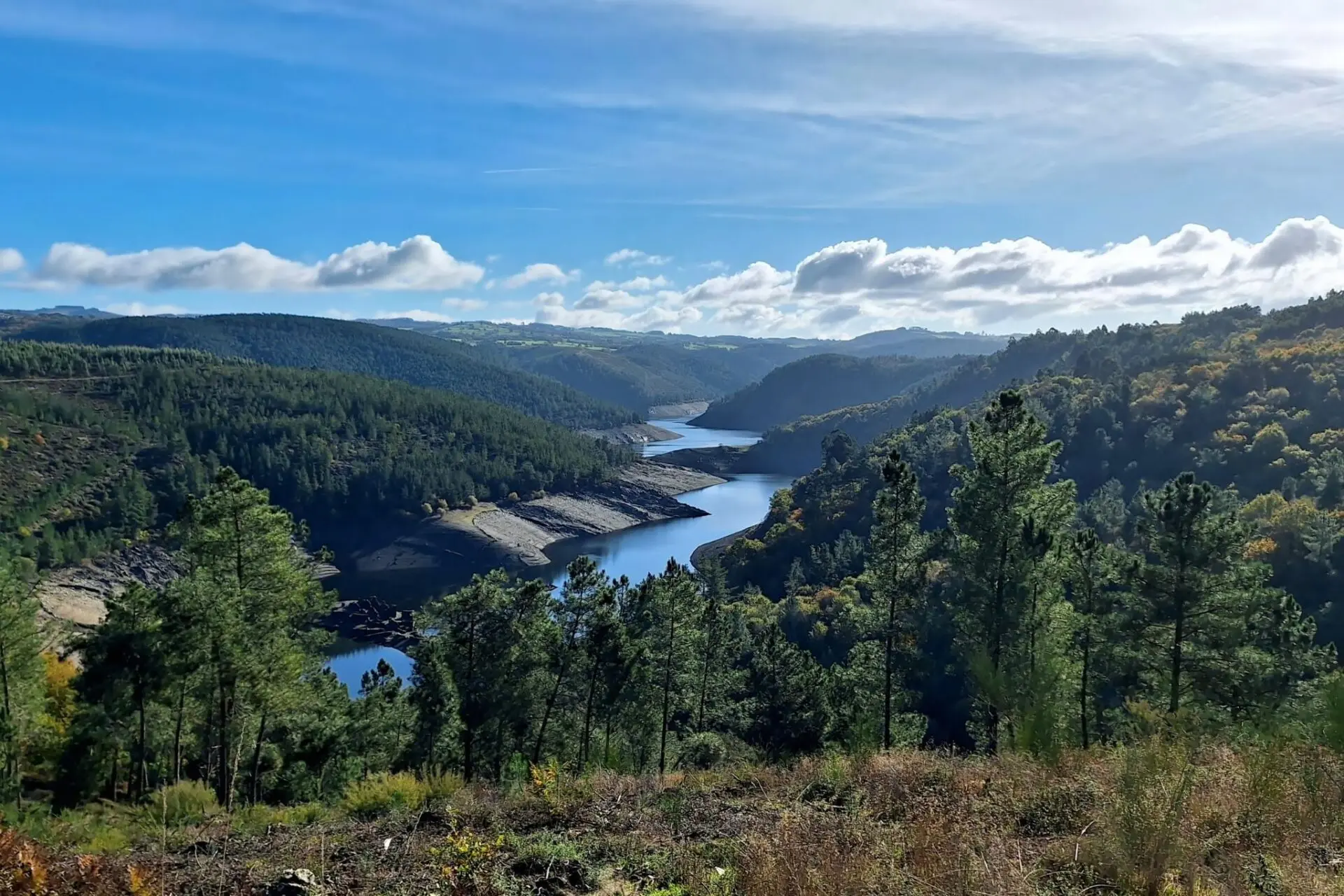
And now, a rural turn: living close to a nature that dwarfs me. I sometimes miss the comfort and steady stimulation of the city, but this too feels like a life of its own.
So when futurists speak of “practical immortality” or “longevity escape velocity,” I can’t help but smile. How many more lives would I even want? At this pace, ten doesn’t seem unrealistic.
The opening move is good – inverting the cliché earns its keep, and the six-life structure gives the piece a clean architecture. The Veneto-to-rural arc reads as genuinely lived, not curated.
But let me push on two things.
First, the lives-as-chapters framing is doing some quiet work you might want to examine. Each life gets a clean label – books, anarchy, ideas, career, experimentation, nature. That’s memoir logic, where the mess gets resolved in retrospect. The “version of me that feels like a different person” line suggests discontinuity, but the narrator is suspiciously coherent throughout. Who’s doing the labeling? The present self, obviously – which means these aren’t really six lives so much as one long life organized by a single consciousness that survived all of them. The discontinuity might be less radical than the framing implies.
Second, the longevity coda feels tacked on rather than earned. You spend the whole piece arguing that life already feels long – rich, plural, almost overcrowded with selves – and then pivot to “sure, I’d take ten.” But if each life requires genuine rupture, relocation, reinvention – if the Piedmont adolescent really is a different person from the Milan intellectual – then longevity escape velocity doesn’t give you more lives, it just gives you more time in whichever one you’re currently in. Practical immortality is a quantity argument. Your essay is making a quality one. Those aren’t the same promise.
If the transitions are what generate the richness – the friction, the dislocation, the becoming someone else – then is the aspiration really more lives, or shorter intervals between ruptures? Those point in very different directions.
Leave a Reply